

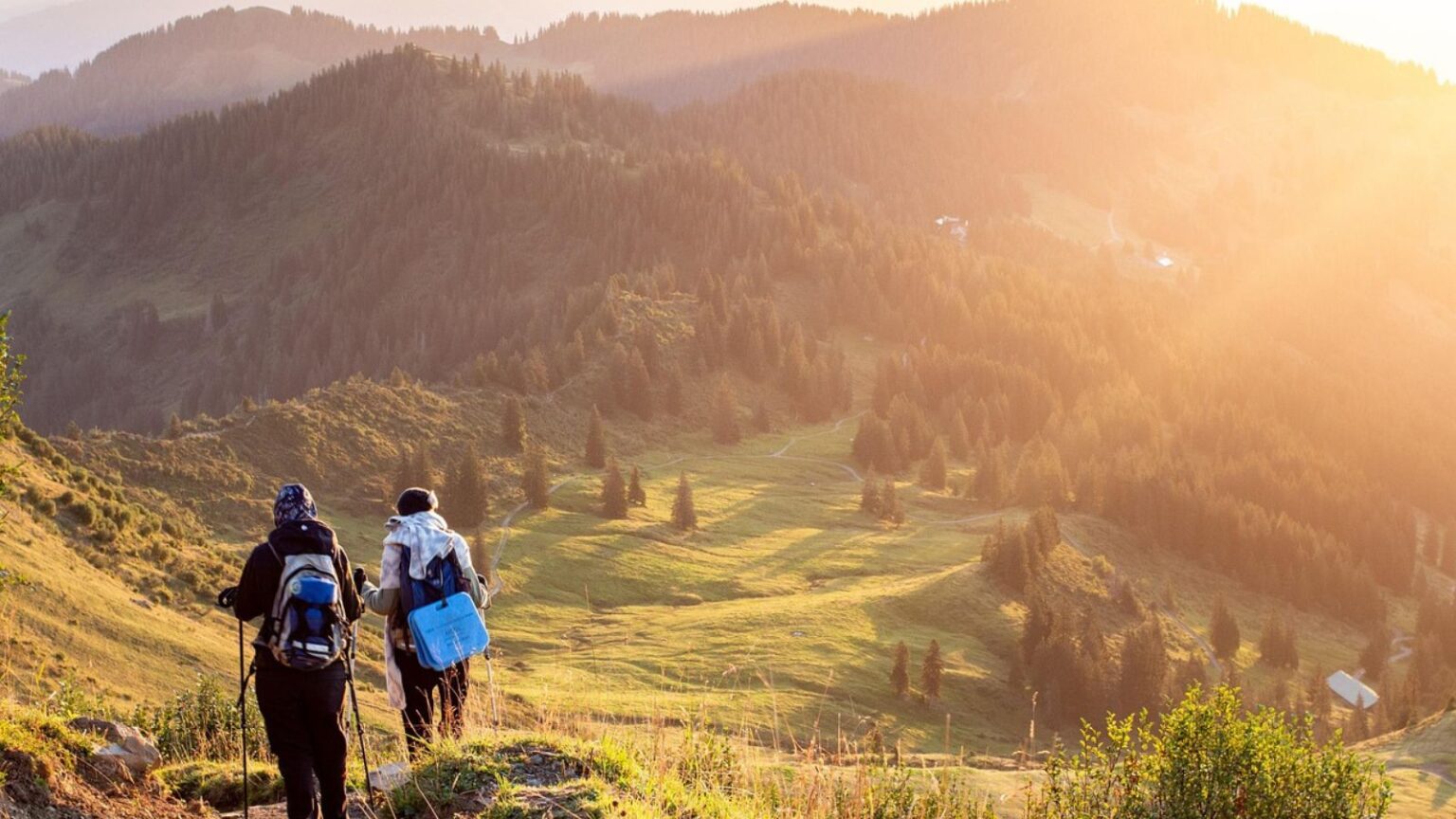
If you’ve ever felt that pull toward the open skies, jagged mountains, or dusty trails of the American West—but your bank account says “sit down”—you’re definitely not alone. So many people assume it takes a thick wad of cash to have any kind of adventure past the Mississippi. That’s not true. Not even close. You don’t need five-star hotels or a packed itinerary with tour guides and fancy meals. You just need to know where to go, how to get there, and what to say yes to. This guide is for anyone who’s dreamed of wide-open roads and big western sunsets but has to keep an eye on every dollar.
Start With a Car, Not a Plane
Let’s be real. Flights eat up a big chunk of your budget before you even step foot in the West. If you can, start by driving. It’s slower, sure. But it’s also part of the adventure. You get to see things you’d never see from 30,000 feet. That weird little ghost town off Route 66? That gas station in the middle of nowhere with the best tacos of your life? Those are the kinds of experiences that make a trip memorable—and they don’t cost extra.
If you’re worried about gas prices, think about teaming up with a friend or two. Split the cost. Rotate driving. Bring snacks so you’re not pulling over for overpriced convenience store candy every 50 miles. And if your car isn’t exactly road-trip ready, borrow one. Or rent a cheap compact. You don’t need a monster SUV to drive through Utah. Just something with decent brakes and working air conditioning.
Camp More, Spend Less
Hotels are fine. But they’re expensive. Out West, the better views aren’t inside anyway. They’re outside, under a sky so full of stars it almost looks fake. That’s where camping comes in. Whether you’re in a national park or just a quiet little forest site, camping gives you a front-row seat to all the natural beauty without draining your wallet.

If you’ve never camped before, don’t stress. You don’t need fancy gear. A basic tent, a couple of sleeping bags, and maybe a small cooler can go a long way. Many sites only cost ten to twenty bucks a night. And some public lands allow dispersed camping for free—as long as you follow the rules. Keep your eyes peeled for deals on gear before you go, or ask around. Someone you know probably has a tent they’re not using.
From the red rocks of Arizona to the peaks of Montana, there’s no shortage of places to explore the Mountain West and sleep beneath the stars. And believe it or not, some of the most peaceful moments of your trip might be the quiet ones—just you, your campfire, and the sound of the wind rustling through the pine trees.
Do One Big Thing in Every Town
When you’re traveling on a budget, it’s tempting to try to pack in as much free stuff as possible and skip everything that costs a little. But here’s a better approach: pick one splurge in every major stop. Just one. It might be a rafting trip down the Snake River. Or a day pass to the hot springs. Or something that’s way more fun than it sounds: mountain bike rentals in Breckenridge.
Why does that matter? Because those little splurges stick with you. You’ll remember flying down a singletrack trail with the wind in your face long after the trip’s over. That doesn’t mean you go overboard. Just pick something that speaks to you and make it count. Everything else—walking around town, hiking the trails, grabbing cheap food—can be low-cost and just as enjoyable. Balance is everything.
And if you hit a town where nothing really catches your eye? No problem. Save the money for your next stop. That way, when something truly awesome shows up on your radar, you’ve got the funds to say yes.
Eat Like a Local, Not a Tourist
Fast food feels like a budget choice, but it adds up fast. Plus, it’s the same in every state. You didn’t drive all the way to Idaho to eat fries you could get back home. Instead, check out grocery stores and local markets. Grab stuff for sandwiches, breakfast bars, fresh fruit, and maybe even some local snacks. Eating like this saves you money and lets you picnic somewhere beautiful instead of sitting in a booth under fluorescent lights.
When you do go out, go where the locals eat. Look for diners that look like they haven’t changed since the ’70s. Those are often where the food is better and cheaper. Don’t be afraid to ask someone who looks like they live there where to go. Most folks are happy to share a good hole-in-the-wall joint. Just skip the tourist trap restaurants with laminated menus and overpriced “views.”
Don’t Plan Every Second
Structure is good, but too much of it squeezes out the magic. When you’re traveling out West on a budget, the best experiences are often the ones you didn’t expect. That oddball side road that leads to an overlook with nobody else around. That tiny art gallery with no air conditioning but the best handmade jewelry you’ve ever seen. That afternoon when you pull off just to stretch your legs and end up staying two hours because there’s a swimming hole.
The secret here is to build your trip with space in it. Don’t book everything in advance. Don’t schedule every meal or map every hike. Have a rough idea, but leave room to breathe. That kind of freedom doesn’t just keep your costs lower—it makes your whole trip feel more like an adventure and less like a checklist.
Let It Be Yours
The West doesn’t care what you’re wearing, what kind of car you drive, or how fancy your gear is. It just wants you to show up, look around, and feel something. So don’t worry if you’re doing it “right” or if your version doesn’t look like someone else’s Instagram feed. Take your time. Stay curious. And laugh a lot, especially when things don’t go quite as planned.
No, you don’t need to spend a fortune to have a blast. All you need is a little flexibility, a little grit, and the kind of spirit that’s always been part of going West in the first place.
