

Covering sports from the road sounds like a dream assignment. You travel to major cities, sit inside packed stadiums and get paid to write about the action.
The reality involves considerably more logistics.
Sports writers may need to research a story at the airport, take notes during a game, record an interview in a noisy stadium and file an article before leaving the press box. Add unfamiliar cities, changing time zones and unreliable internet connections, and having the right tools becomes important.
Fortunately, a relatively small collection of apps and services can make life on the road much easier.
A Lightweight Laptop
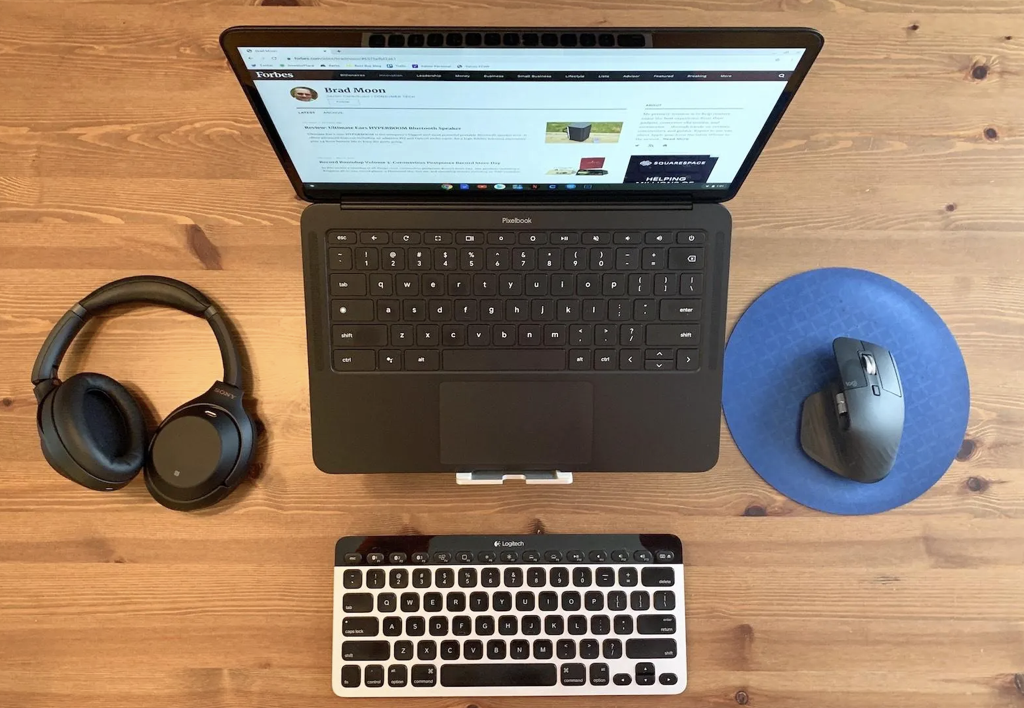
The laptop remains the most important piece of equipment for most travelling sports writers.
Portability matters more than having the most powerful computer available. A writer may carry a laptop through airports, stadiums and public transportation several days in a row.
Battery life is equally important. Power outlets aren’t always conveniently located in press areas, and covering an event can involve several hours of note-taking followed by another few hours of writing.
A comfortable keyboard shouldn’t be overlooked either. Writing 1,500 words from a hotel room is very different from sending a few emails.
Cloud-Based Writing Software
Sports coverage moves quickly, which makes cloud-based documents particularly useful.
A writer can begin researching an article on a laptop at the hotel, add notes from a phone at the stadium and continue working from another device without manually transferring files.
Cloud documents also allow editors to begin reviewing a story immediately.
This becomes particularly valuable after evening games when publication deadlines are tight.
A Reliable Note-Taking App
Trying to remember everything that happened during a game is nearly impossible.
A good note-taking app allows writers to quickly record statistics, observations and potential story angles as the event unfolds.
Organization is important.
Creating separate sections for pregame notes, important plays, quotations and postgame observations can make writing the eventual article considerably faster.
The objective isn’t to document every second of the game. It is to capture the details that might become important once the final story angle emerges.
Voice Recording and Transcription
Postgame interviews can happen quickly.
Players and coaches may only speak for a few minutes, and trying to simultaneously listen, take notes and prepare the next question can be difficult.
Recording interviews allows writers to concentrate on the conversation.
Transcription software can then create a searchable version of the recording, making it much easier to locate a particular quotation.
Automated transcription isn’t perfect, especially in noisy locker rooms and stadiums. Important quotes should always be checked against the original recording before publication.
Editorial Photography Libraries
Not every travelling sports writer has a photographer sitting beside them.
That creates an obvious problem when an article needs a feature image from the event.
Editorial photography libraries give writers and publishers access to photographs of actual games, athletes and sporting events.
A writer covering professional baseball, football or basketball can search editorial sports photography rather than illustrating a report with a generic image of a ball or empty stadium.
This is particularly useful when covering several events during a trip because the writer can concentrate on reporting while professional photographers capture the action.
Writers should always check the license attached to an editorial photograph. Images licensed for editorial purposes may have restrictions on advertising and other commercial uses.
Flight Tracking Apps
Sports schedules don’t care about flight delays.
A writer covering an afternoon game in one city may need to be in another city the following morning.
Flight-tracking apps can provide gate changes, delays and aircraft information before those details appear on airport displays.
Notifications are especially helpful when working at an event and simultaneously keeping an eye on an evening flight.
For assignments involving multiple cities, keeping all flight information in one place also reduces the amount of time spent searching through confirmation emails.
Offline Maps
Stadiums aren’t always located in the part of a city where a visitor expects them to be.
Downloading maps before travelling provides a useful backup when mobile coverage disappears or international roaming isn’t working properly.
Writers should save more than the stadium itself.
Mark the hotel, airport, media entrance and any transportation hubs likely to be used during the trip.
The media entrance is particularly important. Arriving at the correct stadium but on the opposite side of a huge complex can still mean a very long walk.
Portable Power
A portable battery is one of the least exciting items in a sports writer’s bag and one of the most useful.
Phones are constantly being used for directions, messages, recordings, photographs, statistics and social media.
That can destroy a battery surprisingly quickly.
A small power bank can prevent the uncomfortable situation of leaving a night game with a dead phone in an unfamiliar city.
A Mobile Hotspot or Backup Connection
Never assume stadium Wi-Fi will work perfectly.
Thousands of people may be using the same network, and even dedicated media connections can occasionally fail.
Writers facing strict deadlines should have a backup internet connection available through their phone or a mobile hotspot.
It may rarely be needed, but the first time the press-box internet stops working five minutes before a deadline, it becomes one of the most valuable tools in the bag.
Cloud Storage
Travelling produces files quickly.
There are photographs, recordings, interview transcripts, press releases, statistics and drafts.
Keeping everything only on a laptop creates unnecessary risk. Devices can be lost, stolen or damaged during travel.
Automatically syncing important files to cloud storage provides a simple backup and makes those files accessible from other devices.
A Simple Travel Setup Is Usually Better
It is easy to turn travel technology into another thing to manage.
Sports writers don’t need dozens of apps. They need a dependable set of tools that solve the problems they repeatedly encounter.
A lightweight laptop handles the writing. Cloud services protect and synchronize the work. Recording and transcription tools simplify interviews. Editorial photography services provide relevant imagery. Maps, flight trackers and portable power help with the travel itself.
Once those basics are covered, technology largely disappears into the background.
And that’s exactly what should happen.
The less time a sports writer spends worrying about Wi-Fi, batteries, files and flight information, the more time there is to concentrate on the reason for making the trip in the first place: finding and telling a good story.
