

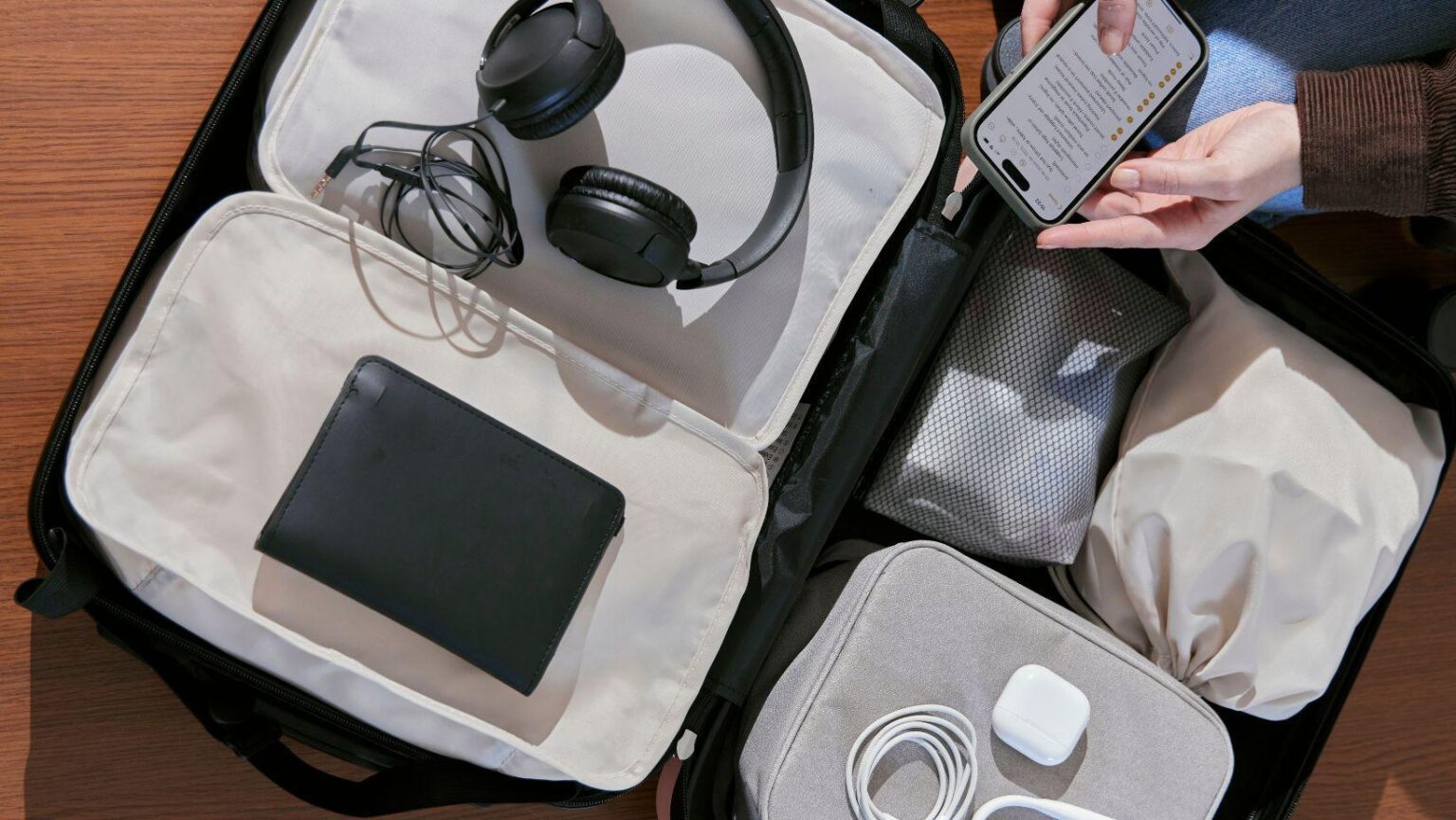
Traveling light has transformed from a simple packing style into one of the most effective strategies for streamlining international travel. Paring down your travel gear to fit inside a single carry-on bag eliminates airport baggage drop queues, speeds up customs clearance, and protects you from expensive luggage surcharges imposed by modern international carriers.
However, achieving high carry-on efficiency requires a methodical approach to packing organization, compliance with strict airline regulations, and a clear understanding of how travel insurance protects your gear if plans change.
1. Minimalist Packing Strategy Matrix
Adopting a carry-on-only travel workflow requires organizing your belongings into strict, functional categories to maximize space and utility:
|
Gear Category |
Minimalist Packing Strategy |
Space-Saving Efficiency Hack |
|
Capsule Clothing |
Implement the 5-4-3-2-1 rule (5 tops, 4 bottoms, 3 pairs of shoes, 2 outerwear pieces, 1 accessory set). |
Tightly roll garments and compress them inside vacuum-style compression packing cubes. |
|
Toiletries & Grooming |
Utilize solid toilet bars and travel containers strictly under 100ml. |
Store all liquids in a transparent, top-accessible pouch for rapid airport security screening. |
|
Tech & Electronics |
Carry single multi-device GaN chargers and compact universal wall adapters. |
Consolidate cords, adapters, and power banks into a slim, shockproof organizer case. |
|
Footwear & Accessories |
Limit total footwear to 2–3 pairs maximum, wearing the heaviest pair during flights. |
Stuff socks, underwear, or fragile items inside packed shoes to utilize hollow interior space. |
|
Travel Documentation |
Keep printed insurance certificates and digital copies organized in a travel binder. |
Store offline digital PDF backup copies of all documents on your smartphone's internal storage. |
2. Navigating Strict Airline Carry-On Weight and Size Limits
While packing light grants exceptional mobility, international airlines are increasingly strict regarding cabin baggage dimensions and weight enforcement. Failing to comply with airline carrier rules can result in mandatory gate-checking fees that quickly disrupt your travel budget.
- Understand Standard Size Allowances: Standard international carry-on bag dimensions generally cap at 55 cm x 40 cm x 20 cm (including wheels and handles). Always measure your luggage outer dimensions at home before heading to the airport.
- Beware of Cabin Weight Caps: Budget carriers across Europe, Asia, and Australasia frequently enforce strict cabin baggage weight limits, often capping hand luggage between 7 kg and 10 kg total (which includes your main carry-on plus your small personal item).
- Invest in a Digital Luggage Scale: Weigh your packed cabin bag at home before departing. If your bag is hovering near the maximum weight limit, wear your heaviest jacket, boots, and sweater onto the aircraft to instantly reduce bag weight.
3. Step-by-Step Protocol: Handling Delayed or Misplaced Checked Luggage
Even committed minimalist travellers occasionally need to check a bag for long-term trips, cold-weather itineraries, or specialized gear. When an airline misplaces your checked suitcase during a layover connection, following a clear step-by-step resolution protocol ensures rapid financial recovery:
- Step 1: Locate the Airline Baggage Desk Immediately
As soon as you confirm your suitcase has failed to arrive on the carousel, head directly to the operating airline's baggage service desk inside the arrival hall before passing through customs. - Step 2: File a Property Irregularity Report (PIR)
Complete an official PIR form with airport staff. Ensure your contact details, temporary hotel address, and an accurate physical description of your missing suitcase are recorded. Keep a physical copy of the signed PIR form and its unique reference code. - Step 3: Purchase Essential Daily Emergency Items
Retain all itemized store receipts when purchasing necessary replacement items, including basic toiletries, fresh underwear, emergency clothing, and phone charging cables. - Step 4: Contact Your Travel Insurance Assistance Team
Notify your travel insurance provider within 24 hours to report the baggage delay and initiate an official claim for emergency expense reimbursement.
4. The Travel Insurance Safety Net: Securing Luggage and Personal Belongings
Whether you travel strictly carry-on or decide to check a suitcase, comprehensive travel insurance provides an essential financial safety net against loss, damage, or theft.
- 1. Baggage Disruption Occurs: Checked suitcase misplaced by airline ground staff during transit.
- 2. Official PIR Documentation Obtained: File report at airport and secure unique file reference number.
- 3. Necessary Essentials Purchased: Buy basic clothes, toiletries, and chargers out of pocket.
- 4. Travel Insurance Claim Submitted: Provide receipts, PIR, and flight details to travel insurer.
- 5. Financial Reimbursement Paid: Insurer reimburses out-of-pocket costs for essential items.
- Baggage Delay Allowances: Top-tier policies offer fixed cash allowances for every 12 to 24 hours your bag remains missing, helping you cover daily essentials without eating into your personal spending money.
- Stolen Gear Reimbursement: If your hand luggage, personal items, or checked suitcase are stolen during your journey (whether from a locked hotel room, transit vehicle, or airport), travel insurance reimburses the monetary value of your lost possessions.
- Single-Item Limit Awareness: Always check your policy’s "single-item limit"—the maximum payout allowed for any individual high-value item (such as laptops or designer outerwear). If you travel with high-value gear, register these items individually on your policy before leaving home to ensure full coverage protection.
Adopting a minimalist packing strategy simplifies every aspect of your international journey, giving you greater agility, lower travel costs, and complete control over your gear. By packing intentionally, staying within airline size and weight limits, and protecting your personal belongings with comprehensive travel insurance, you can explore the world with total confidence and peace of mind.
