

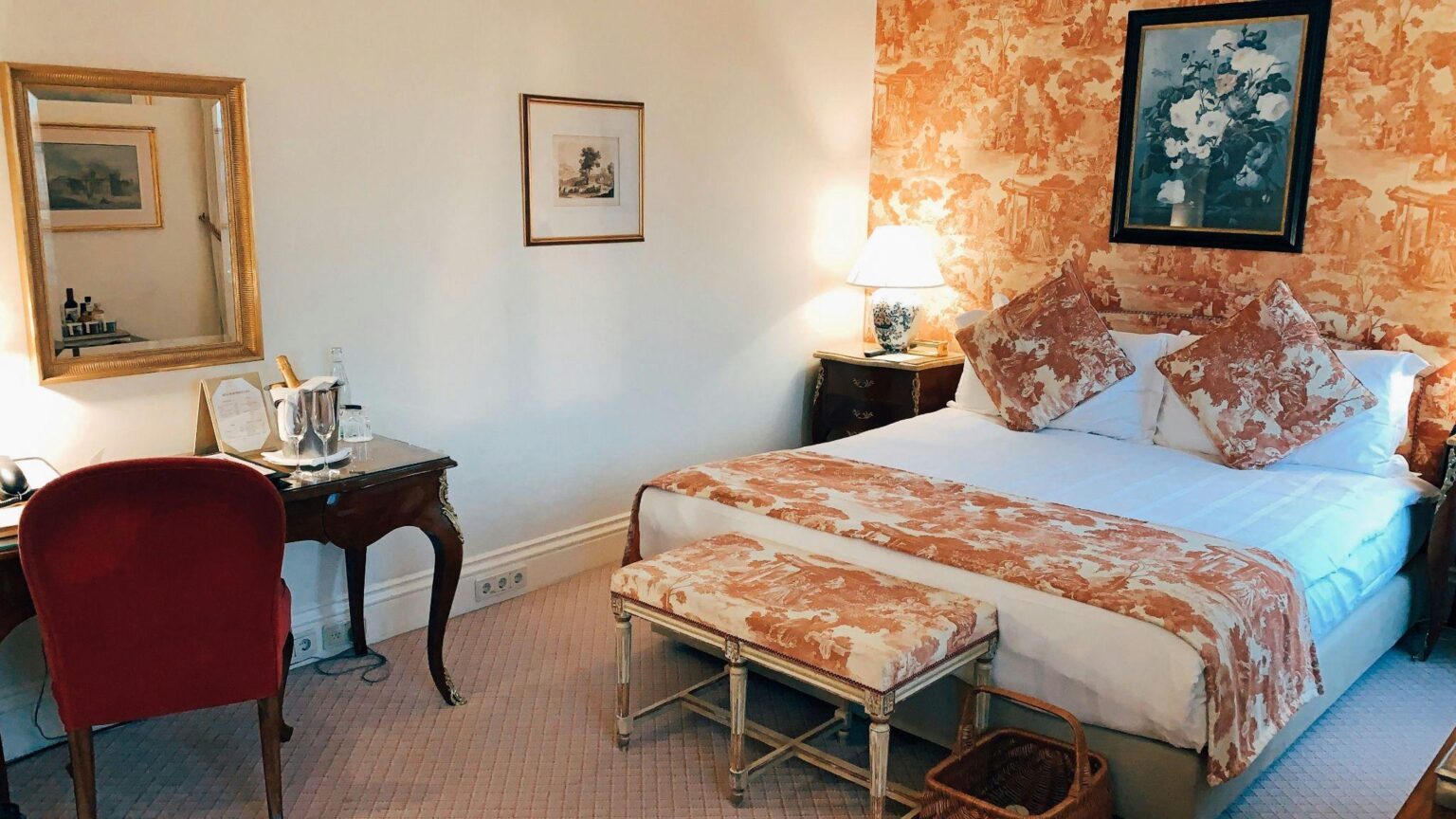
Consistency is the promise that large hotel brands have always made and largely kept. The same breakfast experience, the same corridor aesthetic, the same pillow menu, and the same loyalty points regardless of which city the property occupies. This consistency has real value for business travellers whose primary requirement is reliable adequacy. Still, it offers little to someone seeking a short break that feels distinct from ordinary daily life. Booking platforms such as My Hotel Break offer travellers a wide range of hotels, from boutique to chain, so they can find the hotel and getaway that suits them.
What Boutique Actually Means
Boutique has become a common term in the hospitality sector, so that it can lose its meaning. A boutique hotel is truly unique in design, service, and ownership or management style; its size enables personal service rather than a corporate approach, and its aesthetic is personal rather than brand-driven. It is less about the number of rooms and more about whether those rooms are thoughtfully designed, whether the staff has real knowledge of the property and its neighbourhood, and whether the experience of being there is one another property could not offer with the same authenticity.
The Design Dimension
Boutique properties are most effective when their design resonates with a particular style or aesthetic, not universal palatability. An industrial architectural element in a converted Victorian railway hotel in a northern city could be filled with contemporary furniture and art, all carefully chosen with considered knowledge. A coastal region in Cornwall could have a hotel styled with beautiful, large windows with an ocean view, built using materials from the site. A Scottish country house could mix and match the old and the new in a natural, uncalculated way. These design principles require real creative commitment and the courage to make decisions that don’t prioritise universal palatability but instead favour a unique aesthetic.
Service That Knows the Place
The service experience of a well-run boutique hotel is built on local knowledge that can’t be taught in a standardised training programme. Staff who live in the area, who eat at the restaurants they recommend, who know which path through the surrounding landscape offers the best view at the time of year the guest is visiting, and who remember what individual guests mentioned during a previous stay provide something that no amount of brand investment in service training can replicate without the underlying authenticity that makes it convincing.
Food and Drink as a Defining Element
Boutique hotels with serious food and drink programmes use the kitchen and bar to communicate the same philosophy that guides the hotel’s design and service, rather than treating them as a required box to check. Breakfast from local producers named on the menu, a bar programme based on local spirits and producers actively sought out by the team, and dinner menus that change with the season and the availability of local producers all convey the same message. This property truly belongs here, not floating above its surroundings in branded isolation. This quality isn’t a luxury for those who travel for a short break but have a passion for food.
The Atmosphere of Independent Character
Chain hotels invest heavily in creating atmospheres calibrated to maximum inoffensiveness, producing interiors that feel pleasant without feeling like anywhere in particular. Boutique properties do things differently; they embrace the fact that some people will love them and others won’t, but they can create a truly unique sense of place that committee decisions don’t dilute. This is an art form that speaks to a particular curatorial sensibility, not a hospitality-industry take on the same idea, and these elements combine to create an environment that guests who respond to it come back to again and again and enthusiastically recommend to others.
The Short Break Proposition
The UK short break market has changed significantly over the past few years, becoming more focused on providing a true break from the norm rather than just a change of scenery. You can have novelty without the deeper restorative quality that comes from being in a place that feels different from your everyday environment by staying a weekend in a chain hotel in an unfamiliar city. A short break is more than convenient; it’s genuinely rejuvenating when it’s a boutique property that resonates with its local landscape, food culture, and community. That’s why the boutique end of the market is still gaining market share in an overall market that hasn’t increased in the number of short breaks taken.
Finding the Right Property for the Right Trip
With so many different types of boutique properties, it takes more careful consideration to find the right one for the trip than a chain hotel, which gives you a clear idea of what to expect. Knowing what a particular property values, such as design, food, natural setting, wellness, local cultural connection or some particular mix of these, and matching this to what a particular short break is designed to provide creates a much more enjoyable experience than choosing on price and availability alone within a broadly defined geographical area.
